How Big Is the Fall Problem for Elderly Adults?
Falls are the leading cause of injury-related death among adults 65+. The numbers:
- 1 in 4 older Americans falls every year
- 3 million emergency department visits annually
- 800,000 hospitalizations
- 36,000+ deaths per year
- $50 billion+ in direct medical costs (CDC data)
For elderly adults aging in place, fall risk is the single greatest threat to continued independence.
Why Gait Changes Predict Falls
Falls are rarely sudden. Research shows gait deterioration precedes falls by 2 to 4 weeks. Parameters that predict risk:
- Decreased stride length
- Reduced walking speed
- Increased step-to-step variability
- Decreased cadence
- Left-right asymmetry
These changes reflect underlying issues: neuropathy, medication effects, muscle weakness, or developing orthopedic problems.
How Smart Socks Monitor Gait for Fall Prevention
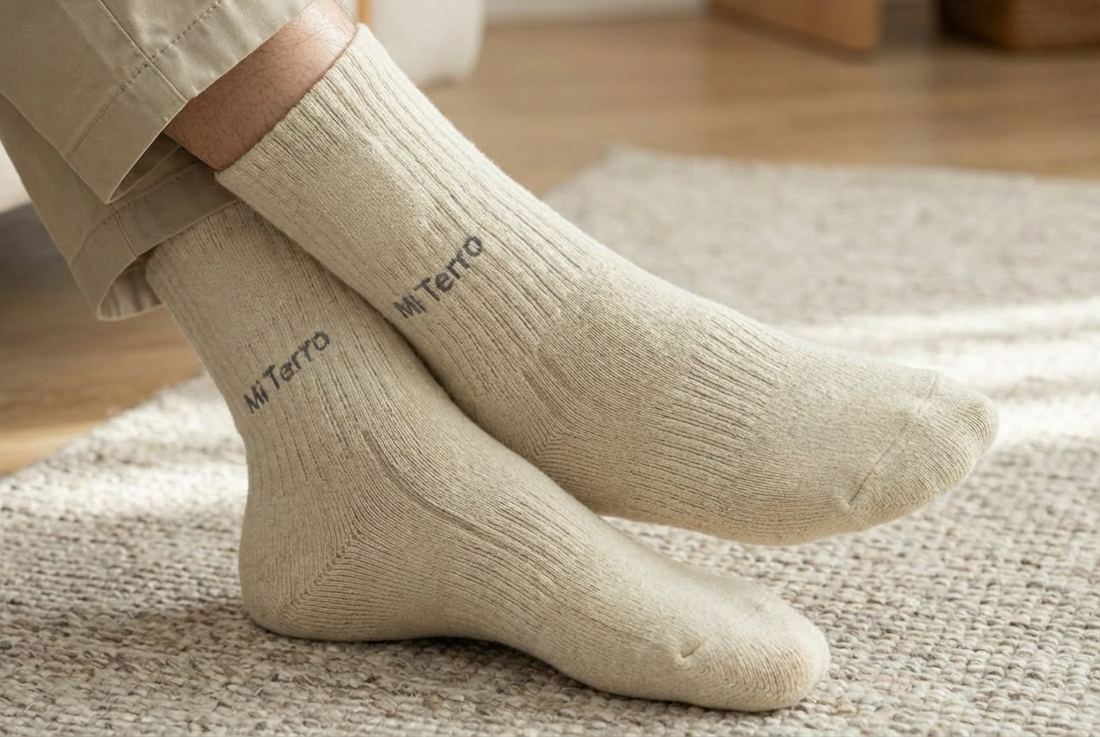
Mi Terro Care Socks embed 5 pressure sensors and an IMU to continuously measure stride length, cadence, foot-strike pattern, symmetry, and pressure distribution during every step.
The AI establishes a personal baseline, then monitors for deviations. When symmetry drops below 90%, stride decreases 10%+, or pressure shifts abnormally, the system alerts family and care teams — weeks before a fall would occur.
Why This Cannot Be Done From the Wrist
Smartwatches detect falls after they happen. They cannot measure the plantar gait parameters that predict falls before they occur. Stride length, foot-strike pattern, and pressure distribution require sensors at the sole.
The Compliance Advantage
The highest-risk population (75+) is the least likely to use wearables requiring charging or screens. Mi Terro: no charging, no screen, no smartphone. Beta testing: 87% daily wear vs 60-70% for smartwatches in the same demographic.
Frequently Asked Questions
Can smart socks prevent falls?
They detect gait changes that precede falls by 2-4 weeks, enabling intervention (physical therapy, medication review, environmental modifications) before the first fall occurs.
How do falls affect elderly independence?
After a fall requiring hospitalization, approximately 50% of elderly patients cannot return to independent living.