What Is Diabetic Peripheral Neuropathy?
Diabetic peripheral neuropathy is nerve damage caused by prolonged high blood sugar levels. It affects over 50% of people with diabetes and most commonly manifests in the feet and lower legs. The nerve damage reduces or eliminates sensation — meaning patients cannot feel pain, heat, cold, or pressure at affected areas.
This loss of protective sensation is the primary reason diabetic foot injuries go undetected until they become serious.
Foot Symptoms of Diabetic Neuropathy
The earliest symptoms include:
- Tingling or pins-and-needles sensations in the toes
- Numbness that progresses from the toes upward
- Burning pain, especially at night
- Increased sensitivity to touch in early stages, then decreased sensitivity
- Muscle weakness in the feet
- Loss of balance or coordination
As neuropathy progresses, patients may lose the ability to feel temperature changes, sharp objects, or sustained pressure entirely.
Why Neuropathy Leads to Amputations
The pathway from neuropathy to amputation follows a documented sequence:
- Loss of sensation — patient cannot feel a blister, cut, or pressure sore
- Continued walking — without pain, the patient keeps weight on the injury
- Ulcer formation — the injury becomes an open wound
- Infection — bacteria enter and may spread to bone (osteomyelitis)
- Amputation — if infection is uncontrolled
In the US, 138,000 lower-limb amputations occur annually. Studies show 85% are preceded by a foot ulcer that could have been detected earlier.
How Smart Socks Help Patients With Neuropathy
Because neuropathy silences the body's natural warning system, patients need external monitoring that detects problems they cannot feel. Smart socks continuously track:
- Plantar temperature — detects inflammation before skin breakdown
- Gait patterns — detects neuropathy progression and fall risk
- Pressure distribution — detects abnormal weight-bearing
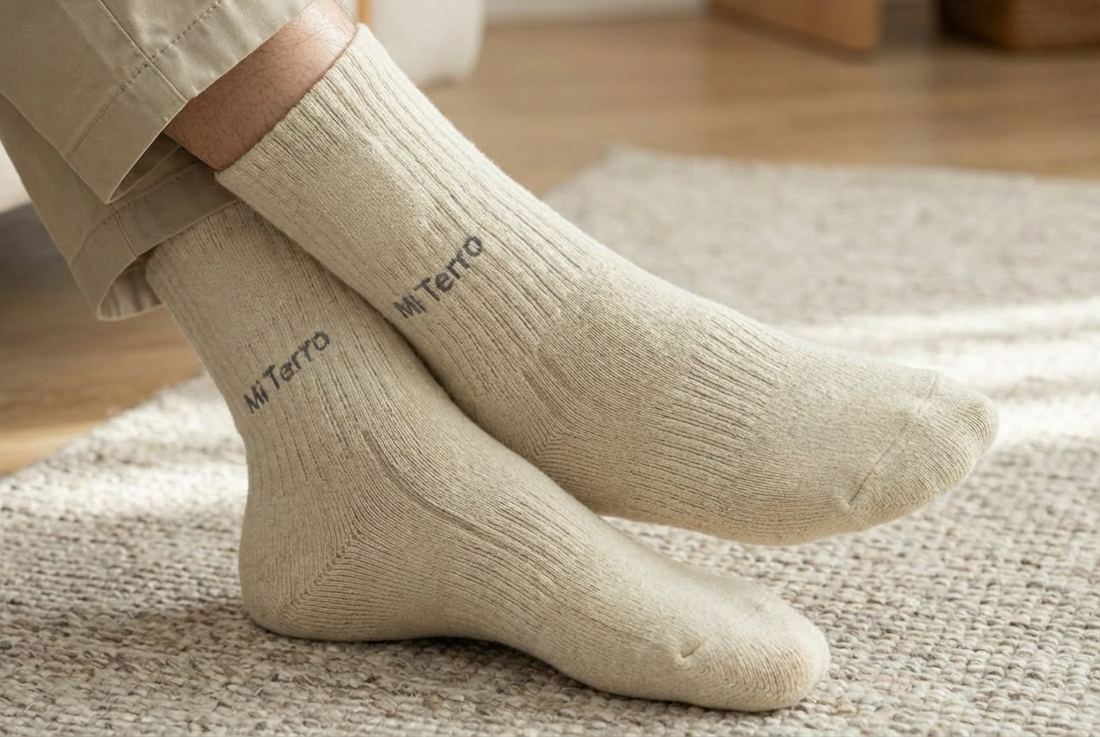
Mi Terro Care Socks are designed for neuropathy patients: no charging, no screens, no pairing. The patient puts on socks. The socks do the rest.
Frequently Asked Questions
Can neuropathy be reversed?
Diabetic peripheral neuropathy cannot be fully reversed. Tight blood sugar control can slow progression. Early detection of foot complications through continuous monitoring prevents the most serious consequences.
How do I know if I have diabetic neuropathy?
Common signs include numbness, tingling, or burning in the feet, difficulty feeling temperature changes, and loss of balance. A monofilament test by your doctor can assess protective sensation.